Introduction
Few experiences compare to witnessing Arctic wildlife in their natural habitat. The stark beauty of the frozen north becomes even more magical when a polar bear emerges from the sea ice or a pod of belugas surfaces in crystalline waters.
But finding these animals requires knowing where—and when—to look. The circumpolar north spans millions of square kilometers, and wildlife concentrates in specific locations during predictable seasons. Whether you're chasing polar bears in Canada, hoping to photograph arctic foxes in Iceland, or dreaming of walrus encounters in Svalbard, choosing the right destination transforms a good trip into an unforgettable one.
Here are seven of the best arctic wildlife viewing locations, each offering unique species and experiences for the dedicated northern traveler.
Photo by Cherry Laithang on Unsplash
1. Churchill, Manitoba – The Polar Bear Capital
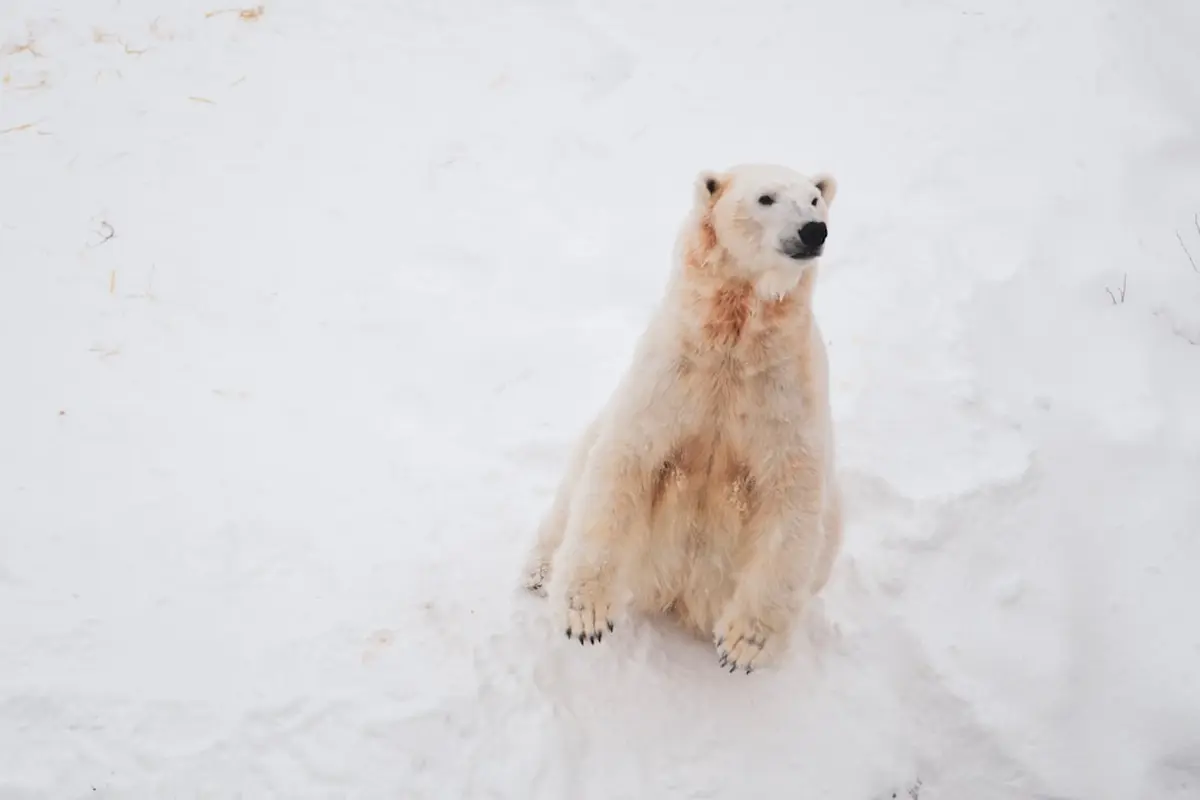
Churchill earns its title as the polar bear capital of the world. Each autumn, roughly 900 polar bears gather along the Hudson Bay shoreline, waiting for the ice to form so they can hunt seals. This predictable congregation makes Churchill the most reliable place on Earth for polar bear sightings.
Best Season: October to November for polar bears; June and July for beluga whales (over 3,000 congregate in the Churchill River estuary).
Access: Fly into Churchill from Winnipeg. No roads connect to this remote town. Book specialized tundra buggy tours for safe, close encounters.
What You'll See: Polar bears, arctic foxes, arctic hares, ptarmigan, and during summer months, massive beluga whale pods. Snowy owls also frequent the area during winter migrations.
2. Svalbard, Norway – Europe's Arctic Wilderness
This Norwegian archipelago sits just 1,000 kilometers from the North Pole, offering some of the most accessible high-Arctic wildlife viewing anywhere. Svalbard hosts more polar bears than people—approximately 3,000 bears compared to 2,500 human residents.
Best Season: June through August for expedition cruises; polar bears visible year-round but most accessible during summer's midnight sun.
Access: Regular flights from Oslo and Tromsø to Longyearbyen. Most wildlife viewing happens via expedition vessels that navigate the archipelago's fjords and pack ice edges.
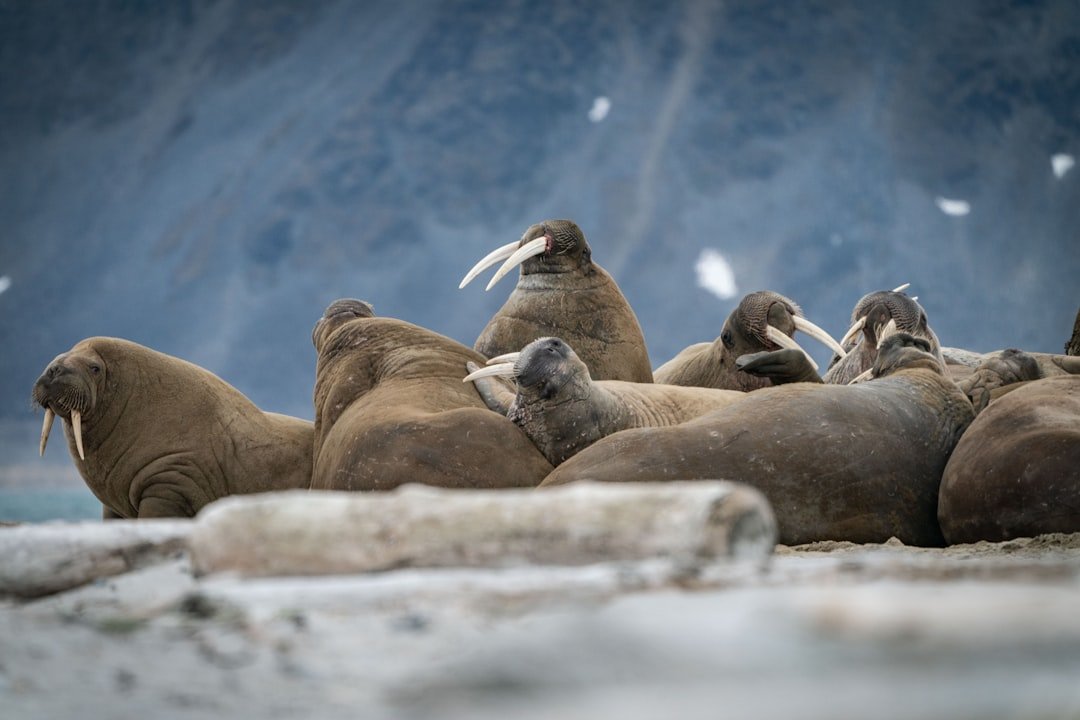
What You'll See: Polar bears, walruses (large haul-outs on remote beaches), arctic foxes, Svalbard reindeer, ringed and bearded seals, and prolific seabird colonies including puffins and little auks.
3. Wrangel Island, Russia – UNESCO Wildlife Sanctuary
This remote Russian island holds UNESCO World Heritage status for good reason. Wrangel Island supports the highest density of polar bear dens in the world and serves as the last refuge where woolly mammoths survived until roughly 4,000 years ago. Today, it's a living museum of Arctic biodiversity.
Best Season: July through September, when expedition ships can navigate surrounding waters.
Access: Expedition cruises departing from Anadyr or Nome, Alaska. Permits required; limited visitor numbers protect this fragile ecosystem.
What You'll See: Polar bears (including mothers with cubs emerging from dens), the world's largest Pacific walrus rookeries, musk oxen, snow geese in enormous numbers, and gray whales feeding offshore. Over 400 polar bears can be present during peak season.
4. Arctic National Wildlife Refuge, Alaska
America's wildest corner remains roadless and undeveloped—19 million acres of pristine Arctic tundra, mountains, and coastal plain. The refuge protects critical habitat for the Porcupine caribou herd, one of the last great land migrations on Earth.
Best Season: June and July for caribou calving and migration; late August for musk oxen along the coastal plain.
Access: Fly into Kaktovik or Deadhorse, then charter bush planes to remote camps. This is true wilderness—no facilities, trails, or services exist within the refuge.
What You'll See: Caribou herds numbering in the tens of thousands, musk oxen, grizzly bears, wolves, wolverines, and polar bears along the Beaufort Sea coast. Kaktovik has become a notable polar bear viewing destination as bears gather near the village in autumn.
5. Hornstrandir Nature Reserve, Iceland
Iceland's northernmost peninsula offers the country's most reliable arctic fox viewing. This uninhabited nature reserve was abandoned by farmers in the 1950s, and the foxes have since lost their fear of humans. Nowhere else will you encounter these beautiful creatures so closely.
Best Season: June through August when ferry access is available. June offers fox pups emerging from dens.
Access: Ferry from Ísafjörður to various landing points. No roads, no services—pack everything you need for multi-day hiking.
What You'll See: Arctic foxes in both blue and white color morphs, massive seabird cliffs with puffins, razorbills, and guillemots. Seal colonies dot the coastline, and occasional polar bears drift over on ice from Greenland (though these events trigger wildlife management responses).
- Closest arctic fox encounters anywhere
- Spectacular sea cliffs
- True wilderness hiking
- Relatively accessible from Europe
- Weather-dependent ferry access
- No facilities or services
- Requires camping and self-sufficiency
- Limited to summer months
6. Nunavut's Floe Edge, Canada
The floe edge—where solid sea ice meets open water—creates one of the Arctic's richest ecosystems. In Nunavut, guided expeditions to the floe edge near communities like Pond Inlet and Arctic Bay offer wildlife encounters impossible to replicate elsewhere.
Best Season: May and June, during the brief window when ice remains stable but marine mammals concentrate at the edge.
Access: Fly to Pond Inlet or Arctic Bay via Iqaluit. Local Inuit guides lead multi-day camping trips to the floe edge by snowmobile and qamutik (traditional sled).
What You'll See: Narwhals—the legendary unicorns of the sea—regularly surface at the floe edge. Bowhead whales, belugas, ringed seals, and polar bears hunting along the ice margin. This is one of the only places to reliably observe narwhals in the wild.
7. Greenland's Scoresby Sound
The world's largest fjord system cuts deep into Greenland's east coast, creating a labyrinth of waterways surrounded by towering peaks and massive glaciers. This remote region supports healthy populations of Arctic wildlife rarely disturbed by human presence.
Best Season: August and September for expedition cruises; musk oxen visible throughout the brief summer.
Access: Expedition vessels departing from Reykjavik, Iceland, or Akureyri. Some cruises include Ittoqqortoormiit, one of Greenland's most isolated communities.
What You'll See: Musk oxen grazing on tundra slopes, arctic hares, collared lemmings, and polar bears. The fjord waters host ringed seals, and lucky visitors spot narwhals in the deeper channels. Seabird colonies and nesting arctic terns add to the spectacle.
No image uploaded.
Bonus Tip: Practice Responsible Wildlife Viewing
Arctic wildlife faces mounting pressures from climate change, and our presence adds additional stress. Follow these principles at every destination:
- Maintain distance: Use binoculars and telephoto lenses rather than approaching animals. Most guidelines recommend staying 30+ meters from marine mammals and never approaching polar bears on foot.
- Never feed wildlife: Human food disrupts natural behaviors and can be dangerous for both animals and people.
- Follow guide instructions: Local operators understand animal behavior and legal requirements. Their rules exist to protect wildlife and ensure your safety.
- Choose certified operators: Look for companies committed to sustainable practices and community partnerships, particularly those employing Indigenous guides who bring generations of wildlife knowledge.
-
Research viewing regulations
Each destination has specific distance requirements and restricted zones
-
Book with responsible operators
Look for certified guides and sustainable tourism commitments
-
Pack proper optics
Quality binoculars and telephoto lenses let you observe without disturbing
-
Prepare for conditions
Cold, wet weather gear ensures you can wait patiently for sightings
Conclusion
Each of these arctic wildlife viewing locations offers something unique—from Churchill's accessible polar bear encounters to Wrangel Island's remote wilderness. The key is matching your target species, comfort level, and budget to the right destination.
Remember that Arctic travel requires careful planning and flexibility. Weather delays happen, wildlife moves unpredictably, and conditions change rapidly. But for those willing to embrace the uncertainty, few experiences match watching a polar bear stride across sea ice or hearing the strange clicking calls of narwhals echoing from the floe edge.
Ready to start planning your Arctic wildlife adventure? Explore our comprehensive Arctic Travel Guide for detailed information on gear, logistics, and seasonal planning across all circumpolar destinations.
Comments
No comments yet. Be the first to comment!
Leave a Comment