Introduction
In the vast, wind-swept tundra of northern Scandinavia, where the aurora borealis paints the winter sky in ribbons of green and violet, an ancient spiritual tradition continues to pulse with life. The Sami people—the indigenous inhabitants of Sápmi, a region spanning northern Norway, Sweden, Finland, and Russia's Kola Peninsula—have maintained spiritual practices that stretch back thousands of years, long before Christianity arrived on Arctic shores.
Today, these traditions face a pivotal moment. After centuries of suppression, forced assimilation, and cultural erasure, Sami spiritual practices are experiencing a remarkable renaissance. Contemporary practitioners are navigating the delicate balance between honoring ancestral wisdom and adapting to modern realities, all while confronting urgent challenges like climate change and ongoing struggles for indigenous rights.
This guide takes you deep into the world of Sami spirituality—from the sacred role of the noaidi (shaman) and the hypnotic rhythms of the joik to the contemporary voices keeping these traditions alive. Whether you're a cultural researcher, a spiritual seeker, or simply curious about one of Europe's most enduring indigenous traditions, you'll discover how Sami spiritual practices continue to offer profound insights into humanity's relationship with the natural world.
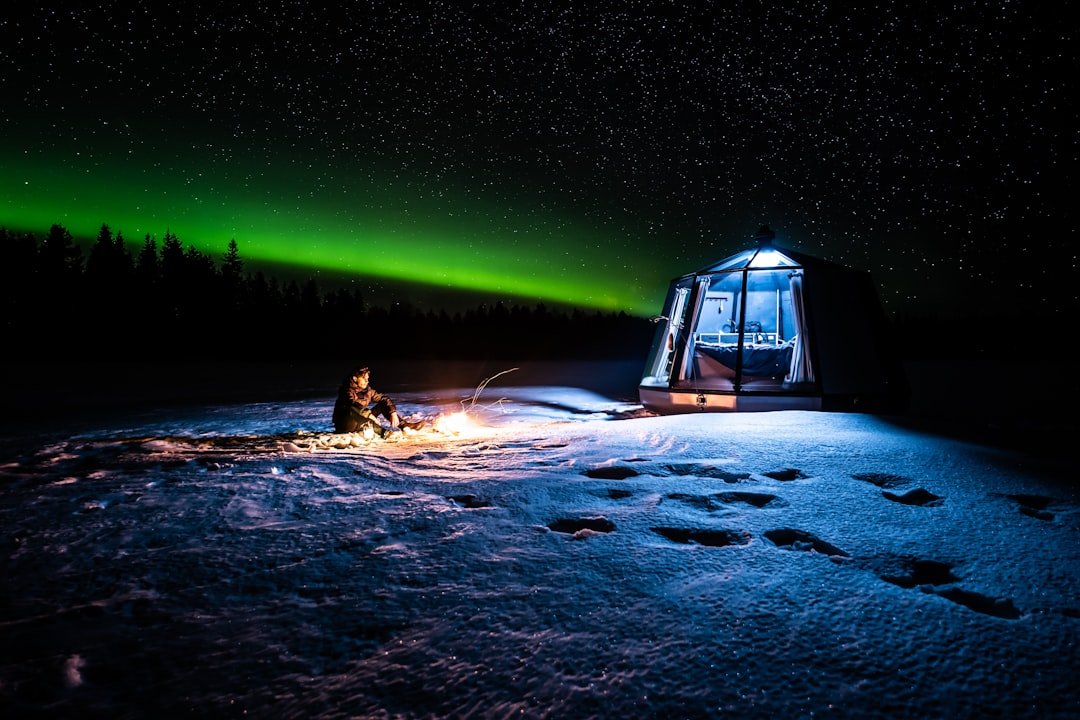
Photo by VALO Hotel & Work on Unsplash
What Are Sami Spiritual Traditions?
Sami spiritual traditions represent one of the oldest continuous indigenous belief systems in Europe, rooted in an animistic worldview that perceives consciousness and spirit in all elements of the natural world. Unlike Western religious frameworks that often separate the sacred from the mundane, Sami spirituality weaves the spiritual dimension into every aspect of daily life—from reindeer herding to fishing, from birth to death.
At the heart of traditional Sami spirituality lies the understanding that the world consists of three interconnected realms: the upper world (inhabited by celestial beings and departed ancestors), the middle world (the physical realm of humans, animals, and nature spirits), and the underworld (home to certain powerful spirits and the realm of the dead). These worlds are not separate but interpenetrating, accessible to those with the knowledge and spiritual gifts to traverse them.
The Noaidi: Spiritual Mediators Between Worlds
The noaidi served as the spiritual specialist within Sami communities—a role often translated as "shaman," though this term only partially captures the complexity of their function. Noaidi were healers, diviners, protectors, and intermediaries between the human community and the spirit world. They possessed the ability to enter altered states of consciousness, often aided by the sacred drum (goavddis or runebomme), to journey between realms and negotiate with spirits on behalf of their people.
According to research documented by the University of Tromsø's Arctic University Museum, noaidi could be of any gender, and their calling often came through dreams, visions, or surviving a serious illness. The training was rigorous, typically involving apprenticeship with an experienced practitioner and periods of solitary fasting and vision-seeking in the wilderness.
The Sacred Drum: Heartbeat of Sami Spirituality
Perhaps no object is more emblematic of Sami spiritual practice than the ceremonial drum. These oval drums, crafted from birch or pine and covered with reindeer hide, served as both musical instruments and cosmic maps. The drum head was painted with intricate symbols representing the three worlds, various spirits, animals, and natural phenomena.
During ceremonies, the noaidi would strike the drum while chanting or singing joik, entering a trance state that allowed their spirit to travel. A brass ring or piece of bone placed on the drum head would move across the symbols as the drum was played, providing divinatory guidance. The colonial authorities recognized the power of these drums and systematically confiscated and destroyed them during the 17th and 18th centuries—today, fewer than 80 original drums survive in museum collections worldwide.
Photo by shepherd on Unsplash
Joik: The Living Song Tradition
The joik represents one of the oldest continuous vocal traditions in Europe. Unlike Western songs that describe their subjects, a joik embodies the essence of a person, animal, or place. When you joik a mountain, you don't sing about the mountain—you become the mountain's voice. This distinction reflects the fundamental Sami worldview: all beings possess spirit and voice, and through joik, humans can give expression to the voiceless.
Joik was historically used in spiritual contexts—to invoke spirits, accompany drum ceremonies, and honor the dead—but also permeated everyday life. People had personal joiks composed for them, and joiking someone was (and remains) a profound act of recognition and connection. During the Christianization period, joik was demonized as "devil's music" and banned in many areas, driving the practice underground where it nevertheless survived.
Why Sami Spiritual Traditions Matter Today
In an era of climate crisis, cultural homogenization, and widespread spiritual disconnection, Sami spiritual traditions offer more than historical curiosity—they provide vital perspectives and practices with profound contemporary relevance.
Ecological Wisdom for a Changing World
The Sami relationship with their environment has always been one of reciprocity rather than exploitation. Traditional beliefs hold that the land, water, animals, and plants possess their own spirits and agency, demanding respect and careful stewardship. This is not merely philosophical abstraction but practical wisdom refined over millennia of Arctic survival.
As climate change transforms the Arctic faster than anywhere else on Earth—with temperatures rising three to four times faster than the global average—Sami traditional ecological knowledge offers crucial insights. Indigenous observers have tracked environmental changes that scientific instruments only later confirmed, from shifting animal migration patterns to changes in snow and ice quality. The Sami language itself contains dozens of words for different types of snow and ice conditions, representing observational precision that Western science is only beginning to appreciate.
Cultural Preservation and Indigenous Rights
The resurgence of Sami spiritual practices is inseparable from broader movements for indigenous rights and cultural recognition. After centuries of forced assimilation policies—including the removal of children to boarding schools, bans on Sami languages, and the criminalization of spiritual practices—the reclamation of traditional spirituality represents an act of healing and resistance.
The United Nations Declaration on the Rights of Indigenous Peoples, which all Nordic countries have endorsed, affirms indigenous peoples' rights to practice and revitalize their cultural traditions and customs. For many Sami, reconnecting with spiritual traditions is essential to this broader project of cultural revitalization and self-determination.
Offering Alternative Paradigms
Beyond their specific cultural context, Sami spiritual traditions offer alternative frameworks for understanding humanity's place in the world. The animistic worldview—which recognizes consciousness and agency throughout the natural world—provides a stark contrast to the mechanistic perspectives that have dominated Western thought and contributed to environmental destruction.
Contemporary philosophers, ecologists, and spiritual seekers increasingly look to indigenous traditions like those of the Sami for models of sustainable relationship with the more-than-human world. This is not about appropriating Sami practices but about learning from indigenous wisdom to transform destructive patterns of thought and behavior.
How Sami Spiritual Practices Are Preserved and Transmitted
The preservation and transmission of Sami spiritual traditions in the contemporary world involves a complex interplay of family lineages, formal institutions, artistic expression, and grassroots community efforts. Understanding these pathways reveals both the challenges facing these traditions and the creative strategies employed to ensure their survival.
-
Traditional knowledge continues to pass through family lines, with elders sharing stories, practices, and spiritual understandings with younger generations during daily activities like reindeer herding or fishing
-
Sami universities and cultural institutions offer courses in traditional knowledge, joik, and Sami languages, creating structured pathways for learning that complement family transmission
-
Musicians, visual artists, and performers incorporate traditional spiritual elements into contemporary work, making ancestral wisdom accessible to new audiences while maintaining its essence
-
Collaborative efforts between Sami communities and researchers document oral histories, ceremonies, and traditional knowledge for preservation and appropriate sharing
-
Programs that take participants onto the land to learn traditional practices in their original context, recognizing that spiritual knowledge is inseparable from place
-
Online platforms developed by and for Sami communities share cultural knowledge while maintaining community control over sensitive spiritual information
The Role of Sami Institutions
The establishment of Sami parliaments in Norway (1989), Sweden (1993), and Finland (1996) has provided political frameworks for cultural preservation efforts. While these bodies have limited formal powers, they have championed initiatives to support traditional knowledge transmission, including funding for cultural programs and advocacy for the recognition of sacred sites.
Educational institutions play an equally vital role. Sámi University of Applied Sciences in Kautokeino, Norway, offers programs in Sami traditional knowledge alongside conventional academic subjects, while research institutions like Sámi Instituhtta (Nordic Sami Institute) document and study traditional practices in culturally appropriate ways. These institutions navigate the tension between academic methodologies and indigenous knowledge systems, working to ensure that research serves community needs rather than extracting knowledge for outside benefit.
Contemporary Practitioners and Their Approaches
Modern Sami spiritual practitioners take diverse approaches to their traditions. Some maintain relatively traditional practices, while others synthesize ancestral wisdom with contemporary spiritual and therapeutic frameworks. This diversity reflects both the natural evolution of living traditions and the varied contexts in which contemporary Sami live.
Elin Kåven, a Sami healer and cultural worker from northern Norway, describes her practice as rooted in family lineages of healers reaching back generations. "My grandmother never called herself a noaidi—that word carries heavy weight—but she read signs in nature, she knew which plants healed which ailments, and she communicated with forces that others couldn't see," Kåven has shared in interviews. "I continue that work, adapted for our times."
Other practitioners focus specifically on the revival of joik as a spiritual practice. Artists like Mari Boine and Sofia Jannok have brought joik to international audiences while maintaining its spiritual depth, demonstrating that traditional practices can engage contemporary contexts without losing their essence.
Our spirituality was never separate from our daily lives. It's in how we relate to the reindeer, how we understand the weather, how we honor our ancestors. Reviving our traditions means remembering that everything is connected.
Common Mistakes to Avoid When Engaging with Sami Spirituality
As interest in indigenous spiritual traditions grows worldwide, so too do problematic patterns of engagement. Understanding and avoiding these pitfalls is essential for anyone seeking to learn about or interact with Sami spiritual practices respectfully.
Cultural Appropriation vs. Cultural Appreciation
The line between appreciation and appropriation can seem unclear, but several principles help distinguish them. Appropriation typically involves taking elements of a marginalized culture without permission, understanding, or acknowledgment—often for personal profit or shallow spiritual consumption. Appreciation, by contrast, involves respectful learning, proper attribution, and support for the living community that holds these traditions.
Specific problematic behaviors include:
- Purchasing "Sami shaman drums" from non-Sami sellers who mass-produce imitations of sacred objects
- Claiming to offer Sami spiritual teachings or ceremonies without being part of the Sami community or having legitimate authorization
- Using Sami spiritual symbols as decorative elements without understanding their meaning or significance
- Attending ceremonies or sacred sites as tourists without invitation or appropriate protocols
| Aspect | Appropriation | Appreciation |
|---|---|---|
| Learning | Taking information without permission | Learning through proper channels with community consent |
| Practice | Performing ceremonies without authorization | Supporting Sami-led cultural events and initiatives |
| Objects | Buying fake 'shaman' items from non-Sami sources | Purchasing authentic Sami duodji from Sami artisans |
| Benefit | Personal gain without giving back | Supporting Sami communities and causes |
| Context | Ignoring history of oppression | Acknowledging colonial history and ongoing struggles |
Romanticization and the "Noble Savage" Trope
Well-meaning outsiders often romanticize indigenous peoples as inherently more spiritual or closer to nature than modern Westerners. While this may seem complimentary, it's actually a form of stereotyping that denies Sami people their full humanity and complexity. The "noble savage" trope freezes indigenous peoples in an imagined primitive past, ignoring both the sophistication of traditional knowledge systems and the reality of contemporary Sami life.
Modern Sami people are doctors, lawyers, programmers, and artists who also happen to have rich cultural traditions. Many navigate multiple worlds, participating in global modernity while maintaining connections to ancestral practices. Respecting Sami spiritual traditions means recognizing this complexity rather than expecting Sami individuals to perform a romanticized version of indigenous identity.
Conflating All Indigenous Traditions
Sami spiritual practices are specific to the Sami people and their Arctic homeland. While they share certain features with other circumpolar indigenous traditions—and indeed with shamanic practices worldwide—they are not interchangeable with Native American, Siberian, or other indigenous spiritualities. Each tradition emerges from and remains connected to specific lands, languages, and cultural contexts.
Mistakes in this area include:
- Assuming all "shamanic" practices are essentially the same
- Mixing elements from multiple indigenous traditions in a spiritual "buffet" approach
- Using generic terms like "Native spirituality" that erase cultural specificity
- Expecting Sami practitioners to validate or explain other indigenous traditions
Ignoring Contemporary Sami Voices
Historical accounts of Sami spirituality—many written by missionaries and colonial administrators who sought to eliminate these practices—remain influential but are deeply problematic sources. These accounts often misrepresented, sensationalized, or deliberately distorted Sami beliefs. Relying on them while ignoring contemporary Sami scholars, practitioners, and community members perpetuates colonial knowledge patterns.
Ethical engagement means prioritizing Sami voices—reading books by Sami authors, attending events organized by Sami communities, and following Sami scholars and cultural workers on social media. It also means recognizing that some aspects of spiritual tradition are not meant for outside consumption and respecting boundaries around sacred knowledge.
Best Practices for Respectful Engagement
For those genuinely interested in learning about Sami spiritual traditions, several pathways allow for meaningful engagement while respecting cultural boundaries and supporting Sami communities.
Educate Yourself Through Appropriate Sources
Begin your learning journey with resources created by or in collaboration with Sami people. The Sámiid Vuorká-Dávvirat (Sami Collections) in Karasjok, Norway, and other Sami museums offer carefully curated exhibitions and educational materials. Academic works by Sami scholars like Rauna Kuokkanen, Veli-Pekka Lehtola, and Jelena Porsanger provide rigorous analysis grounded in community perspectives.
Films by Sami directors—including Amanda Kernell's "Sami Blood" and Nils Gaup's "Pathfinder"—offer artistic windows into Sami experience, while documentaries like "Sami – The First Americans" explore the depth and complexity of Sami culture. Music by artists like Mari Boine, Sofia Jannok, and the group Adjágas introduces joik tradition in accessible formats.
Visit Sápmi Responsibly
Tourism to Sami areas can support local communities when done thoughtfully or cause harm when approached carelessly. Responsible visitation involves:
Choosing Sami-owned and operated tour companies that provide authentic cultural experiences while ensuring economic benefits flow to Sami communities. Organizations like the Sami Parliament's tourism board can help identify appropriate operators.
Respecting sacred sites and private lands. Many spiritually significant places in Sápmi are not tourist destinations. If you're unsure whether a site is appropriate to visit, ask local Sami community members or tourist offices.
Learning basic cultural protocols. Simple things like asking permission before photographing people, not entering reindeer herding areas without invitation, and showing respect during cultural demonstrations go far in building positive relationships.
Support Sami Rights and Causes
Meaningful engagement with Sami spiritual traditions extends beyond personal learning to supporting the political and environmental struggles that affect Sami communities. Contemporary issues include:
-
Land rights and resource extraction: Mining, wind farm developments, and other industrial projects on traditional Sami lands threaten both livelihoods and sacred sites. Organizations like the Sami Council advocate for indigenous land rights.
-
Climate change impacts: Warming temperatures disrupt reindeer herding patterns and threaten the Arctic ecosystems central to Sami culture. Supporting climate action is thus also supporting Sami cultural survival.
-
Language preservation: Several Sami languages are critically endangered. Supporting language revitalization programs helps preserve not just words but entire worldviews encoded in linguistic structures.
Approach with Humility and Long-Term Commitment
Genuine understanding of any cultural or spiritual tradition requires time, patience, and humility. Approach Sami spirituality as a lifelong learning journey rather than something to be quickly understood or experienced. Accept that some knowledge may not be available to outsiders—and that this boundary deserves respect.
If you develop relationships with Sami individuals or communities, let those relationships develop naturally without projecting expectations. Be willing to give without expecting spiritual knowledge in return. Support cultural initiatives, purchase authentic Sami duodji (handicrafts) from Sami artisans, and advocate for Sami rights in your own communities.
- Learn from Sami-authored books, films, and academic works
- Support Sami-owned tourism businesses and cultural initiatives
- Advocate for Sami land rights and climate action
- Purchase authentic duodji directly from Sami artisans
- Attend public cultural events with respectful curiosity
- Follow and amplify contemporary Sami voices
- Don't buy fake 'shaman' items from non-Sami sellers
- Don't claim to practice Sami spirituality without community connection
- Don't visit sacred sites without proper invitation or protocols
- Don't expect Sami individuals to educate you on demand
- Don't romanticize or essentialize Sami people
- Don't mix Sami elements with other traditions inappropriately
Contemporary Voices: Sami Spirituality in the 21st Century
The story of Sami spiritual traditions today is ultimately one of living, evolving practices sustained by dedicated individuals and communities. Meeting some of the contemporary voices shaping this revival reveals both the challenges and the profound resilience of these traditions.
Healers and Spiritual Practitioners
Across Sápmi, individuals continue traditions of healing and spiritual mediation passed down through generations. Many prefer not to use the term noaidi—both because of its heavy historical weight and because their practices, while rooted in tradition, have necessarily adapted to contemporary contexts.
These practitioners often combine traditional methods with modern therapeutic approaches, recognizing that the spiritual wounds of colonization require healing alongside physical and psychological ailments. Some work within healthcare systems, bringing traditional understanding to their professional practice. Others maintain more traditional roles within their communities, offering services that modern medicine cannot provide.
The details of contemporary spiritual practice remain largely private—as they should be. What can be said is that the core understanding of interconnection between humans, nature, and spirit continues to animate healing work, even as specific methods evolve.
Musicians Carrying Forward Joik
Joik has experienced perhaps the most visible revival of any Sami spiritual practice, with artists bringing this ancient tradition to global audiences while maintaining its spiritual depth.
Mari Boine, from Karasjok, Norway, has spent four decades blending traditional joik with jazz, rock, and world music influences. Her work explicitly addresses the spiritual dimension of joik and its role in healing colonial trauma. Albums like "Gula Gula" introduced international audiences to joik's power while remaining grounded in authentic tradition.
Sofia Jannok, from the Swedish side of Sápmi, combines joik with pop and electronic music while using her platform for environmental and indigenous rights activism. Her music demonstrates how traditional spiritual expression can engage contemporary political struggles.
The group Adjágas explores joik's meditative and spiritual dimensions through extended, trance-like compositions that recall the music's ceremonial origins. Their work offers perhaps the closest contemporary equivalent to traditional ritual joik available to outside listeners.

Photo by Sankalp Mudaliar on Unsplash
Scholars and Cultural Workers
Sami academics play crucial roles in documenting, interpreting, and revitalizing spiritual traditions within frameworks that respect indigenous knowledge protocols.
Rauna Kuokkanen, professor at the University of Toronto, has written extensively on Sami philosophy and worldviews, exploring how indigenous concepts of reciprocity and gift-giving challenge Western political and economic assumptions. Her work demonstrates the contemporary relevance of traditional thought systems.
Jelena Porsanger, former rector of Sámi University of Applied Sciences, has pioneered methodologies for researching indigenous spirituality that center community needs and respect sacred boundaries. Her approach offers models for how indigenous knowledge can be studied without exploitation.
Younger scholars continue this work, exploring topics from the role of sacred sites in contemporary Sami identity to the ethical dimensions of reviving suppressed traditions. Their scholarship ensures that Sami voices shape how Sami spirituality is understood academically.
Youth and the Future
Perhaps most encouraging is the engagement of young Sami with their spiritual heritage. After generations in which traditional practices were suppressed or stigmatized, many young people are actively seeking to learn from elders and incorporate ancestral wisdom into their lives.
Youth organizations like Sáminuorra (Sami Youth) and various local groups create spaces for young people to learn traditional practices, often in land-based contexts that reconnect participants with the Arctic landscapes from which Sami spirituality emerged. Summer camps, language nests, and cultural gatherings provide opportunities for intergenerational transmission that colonial policies sought to destroy.
Social media has also become an unexpected ally, with young Sami using platforms like Instagram and TikTok to share cultural knowledge, celebrate traditional practices, and connect across the vast distances of Sápmi. While some elders express concern about sacred knowledge being shared inappropriately, many see these platforms as valuable tools for cultural revitalization when used thoughtfully.
Frequently Asked Questions About Sami Spiritual Traditions
Conclusion
Sami spiritual traditions represent far more than historical curiosity or anthropological subject matter. They are living practices, actively maintained and evolved by contemporary Sami people who navigate the complex intersections of ancestral wisdom and modern life. From the sacred drum rhythms that once guided noaidi through spirit worlds to the contemporary joik artists filling concert halls, from the healers who blend traditional and modern approaches to the youth rediscovering their heritage through language nests and cultural camps—Sami spirituality continues to pulse with vital energy.
The story of these traditions is also a story of resilience against tremendous odds. That Sami spiritual practices survive at all, after centuries of systematic suppression, testifies to both their profound importance to Sami people and the dedication of those who preserved them through dark times. Today's revival represents not mere nostalgia but an assertion of indigenous identity and sovereignty in the face of ongoing challenges.
For those outside the Sami community, these traditions offer invitations—not to appropriate or superficially consume, but to learn, to reflect, and perhaps to question assumptions about humanity's relationship with the natural world. The animistic worldview at the heart of Sami spirituality, which recognizes consciousness and spirit throughout nature, offers alternatives to the mechanistic perspectives that have contributed to ecological crisis. In an age of climate emergency, such alternatives deserve serious consideration.
Whether your interest is academic, spiritual, or simply curious, let your engagement with Sami traditions be characterized by humility, respect, and genuine support for Sami communities. Listen to Sami voices. Support Sami-owned businesses and cultural initiatives. Advocate for indigenous rights in your own context. Recognize that some knowledge is not meant for outsiders—and that respecting this boundary is itself a form of respect.
The aurora borealis will continue to dance over Sápmi's winter skies, and beneath those lights, Sami spiritual traditions will continue to evolve and thrive. By approaching these traditions with appropriate respect and genuine care, we can all play small roles in ensuring that the noaidi narratives—the stories of Sami spiritual wisdom—continue for generations to come.
Explore More Northern Indigenous Cultures
Discover the rich tapestry of indigenous traditions across the circumpolar North, from the Inuit of Canada and Greenland to the indigenous peoples of Siberia.
Discover Northern Indigenous Cultures
Comments
No comments yet. Be the first to comment!
Leave a Comment