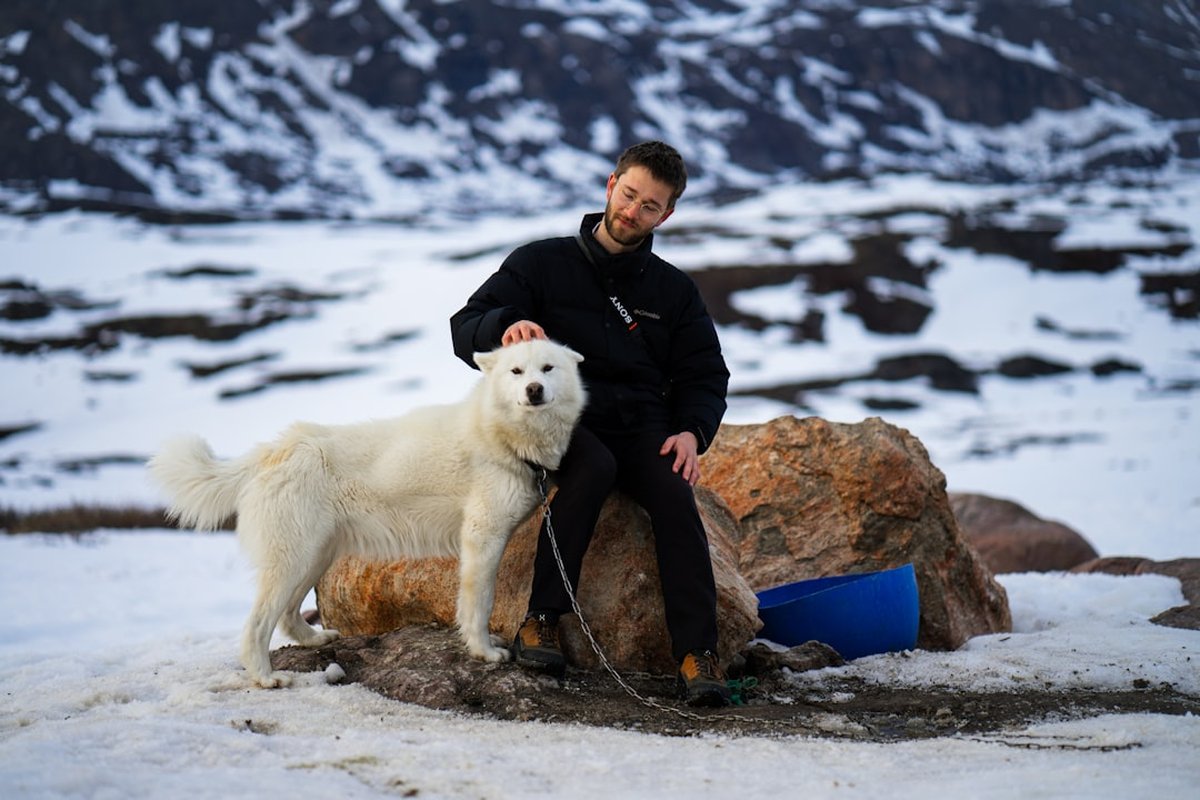
Introduction
The Arctic tundra stretches before you, a vast expanse of white interrupted only by the dark silhouette of a muskox grazing in the distance. Your camera is ready, your breath visible in the frigid air, but one wrong move—a snapped twig, a careless footfall on crusted snow—and your subject vanishes into the endless white. This is the challenge that defines Arctic wildlife photography: capturing intimate moments with some of Earth's most elusive creatures while leaving no trace of your presence.
Silent tracking isn't merely a technique; it's an art form that separates amateur snapshots from professional-grade wildlife documentation. The methods outlined in this guide have been refined by researchers studying Arctic species for decades and wildlife photographers who've spent countless hours in sub-zero conditions perfecting their craft. Whether you're hoping to photograph your first Arctic fox or document rare polar bear behaviors for a conservation project, mastering these skills will transform your approach to Arctic wildlife photography.
In this comprehensive guide, you'll learn everything from understanding Arctic animal behavior patterns to selecting gear that won't betray your presence, from reading snow conditions for silent movement to ethical considerations that should guide every wildlife encounter. By the end, you'll possess the knowledge base that professional wildlife photographers and field researchers use to achieve those breathtaking, intimate wildlife moments that seem almost impossible to capture.
What is Silent Tracking in Arctic Wildlife Photography?
Silent tracking encompasses a comprehensive set of skills, techniques, and philosophies designed to observe and photograph wildlife while minimizing—or ideally eliminating—any impact on animal behavior. In the Arctic context, this discipline takes on unique dimensions due to the extreme environment, the sensitivity of Arctic ecosystems, and the specific behavioral patterns of cold-adapted species.
At its core, silent tracking combines three essential disciplines: movement techniques that minimize noise and visual disturbance, environmental reading that helps you predict animal behavior and choose optimal approach routes, and ethical frameworks that ensure your presence doesn't negatively impact the wildlife you're documenting. Professional wildlife photographers and researchers from organizations like the Norwegian Polar Institute have developed these methods over decades of Arctic fieldwork.
The Arctic presents unique challenges that make silent tracking both more difficult and more critical than in temperate environments. Sound travels farther across frozen landscapes with fewer obstacles to absorb noise. Many Arctic animals have evolved exceptional hearing to detect predators across vast distances. The limited vegetation means fewer places to conceal your approach. And perhaps most importantly, Arctic wildlife operates on razor-thin energy margins—unnecessary stress from human disturbance can have real consequences for survival, particularly during harsh winters or critical breeding seasons.
| Factor | Temperate Environments | Arctic Environments |
|---|---|---|
| Sound Travel | Absorbed by vegetation | Carries long distances across open terrain |
| Visual Cover | Trees, brush, varied terrain | Minimal; requires creative use of topography |
| Animal Sensitivity | Varies by species | Generally heightened due to predator pressure |
| Energy Impact | Moderate stress effects | Critical; animals conserve energy for survival |
| Seasonal Considerations | Year-round opportunities | Extreme variation; 24-hour daylight or darkness |
| Approach Windows | Often flexible | Weather-dependent and narrow |
Understanding these distinctions is foundational to developing effective Arctic tracking skills. The techniques that work in a North American forest or African savanna require significant adaptation for circumpolar environments. What remains constant is the underlying philosophy: the welfare of the animal always takes precedence over getting the shot.
Why Silent Tracking Skills Matter for Arctic Wildlife Photography
The importance of silent tracking extends far beyond simply getting better photographs—though it certainly accomplishes that. These skills represent a fundamental shift in how humans interact with wild spaces, particularly in fragile Arctic ecosystems that are already under unprecedented pressure from climate change.
Conservation Impact: Arctic wildlife faces mounting challenges from habitat loss, changing ice conditions, and shifting prey availability. According to research published by the World Wildlife Fund, polar bear populations are experiencing significant stress from reduced sea ice. Adding human disturbance to these existing pressures can push animals past critical thresholds. Silent tracking minimizes this additional stress, ensuring that wildlife photography and ecotourism contribute to conservation rather than undermining it.
Photographic Quality: From a purely practical standpoint, undisturbed animals produce dramatically better photographs. When wildlife remains unaware of your presence, you capture natural behaviors—hunting techniques, social interactions, parental care, and feeding patterns—that simply don't occur when animals are alert to potential threats. The difference between a stressed animal watching you and a relaxed animal going about its daily life is immediately apparent in the resulting images.
Scientific Value: Many wildlife photographers contribute to citizen science initiatives and research databases. Images of undisturbed animals exhibiting natural behaviors have significantly higher scientific value than photographs of stressed animals in flight mode. Researchers can extract meaningful data about health, condition, and behavior from photographs where the subject wasn't reacting to the photographer's presence.
Personal Fulfillment: There's a profound difference between chasing wildlife for photographs and being granted access to intimate wildlife moments through patience and skill. Silent tracking transforms wildlife photography from a consumptive activity—taking something from nature—into a reciprocal relationship where the photographer earns each encounter through respect and expertise. This shift in mindset often becomes the most rewarding aspect of developing these skills.
How to Master Arctic Wildlife Silent Tracking
Mastering silent tracking requires developing proficiency across multiple skill areas that work together as an integrated system. The following sections break down each component, progressing from foundational knowledge to advanced field techniques.
Understanding Arctic Animal Behavior
Before you can approach wildlife silently, you need to understand how different species perceive and respond to their environment. Each Arctic species has evolved specific sensory capabilities and behavioral patterns that dictate how they detect and react to potential threats.
Polar Bears rely heavily on their extraordinary sense of smell, capable of detecting seals beneath ice from nearly a kilometer away. This same olfactory prowess means they'll likely smell you long before they see or hear you. Wind direction becomes paramount when observing polar bears. Their eyesight, while adequate, is not exceptional—they depend primarily on movement detection rather than detailed visual recognition. Research from Polar Bears International indicates that stationary observers downwind are significantly less likely to trigger alert behaviors.
Arctic Foxes possess exceptional hearing, an adaptation that allows them to locate lemmings and voles beneath snow cover. They can hear low-frequency sounds from remarkable distances, meaning the crunch of your boots on snow reaches them long before you're within photographic range. However, arctic foxes are also notably curious and less inherently fearful of humans than many species, which can work in your favor if you remain patient and non-threatening.
Muskoxen rely on group vigilance and have well-developed vision for detecting movement across open tundra. When threatened, they form their famous defensive circle rather than fleeing, which means a startled herd will face you rather than providing photographic opportunities. Their social nature means you're rarely observing just one animal—sentries within the herd will spot movement that individuals might miss.
Caribou and Reindeer are highly visual animals that depend on detecting wolves across vast distances. They're particularly sensitive to silhouettes against the horizon and movement patterns that match predator behavior. Interestingly, they're often less alarmed by stationary figures than by those who move erratically or attempt to approach directly.
Reading Snow and Ice Conditions
The substrate beneath your feet determines how silently you can move. Arctic snow and ice conditions vary dramatically based on temperature, age, wind exposure, and recent weather, and each variation requires different techniques.
-
Quietest walking surface; move slowly to avoid compression squeaks
-
Extremely noisy when broken; test crust thickness and route around when possible
-
Moderate noise; step flat-footed to distribute weight
-
Quiet if not crusted; ideal for extended approaches
-
Vary from silent to noisy; avoid with metal crampons near wildlife
-
Map terrain mentally before approaching; route through quietest substrates
The key skill is learning to read snow conditions visually before committing to an approach route. Sun-exposed slopes will have different snow characteristics than shaded areas. Wind-loaded areas often develop the noisiest crusts. Rippled sastrugi formations indicate hard-packed surfaces that typically allow quieter movement. Before beginning any approach, spend time studying the terrain and mentally mapping the quietest path to your desired position.
Movement Techniques for Silent Approaches
How you move is as important as where you move. Arctic silent tracking requires unlearning the efficient walking patterns that serve us in daily life and adopting deliberate, controlled movements that minimize both noise and visual detection.
The Fox Walk: This fundamental technique, borrowed from wilderness tracking traditions, involves rolling your foot from the outside edge to the inside rather than striking heel-first. Lower your foot slowly with your weight on your back leg, test the surface with minimal pressure, then gradually transfer weight forward. This technique allows you to feel—and stop before committing to—surfaces that would crunch or crack under full weight. Practice this movement until it becomes natural; it should feel slow and deliberate rather than labored.
Terrain Masking: Use every feature of the landscape to conceal your approach. In the Arctic, this often means using subtle terrain features that wouldn't seem significant in other environments—slight depressions, small ridges, boulder fields, even variations in snow depth. Plan approaches that keep you below the horizon line from the animal's perspective. A four-foot rise in terrain can completely conceal your movement if you stay low.
Stop-and-Wait Rhythm: Rather than continuous movement, adopt a pattern of moving in brief segments followed by extended stationary periods. Wildlife is far more attuned to continuous movement than to stationary objects. After each movement segment, freeze completely—not just your body but your gaze as well, as animals can detect the movement of eyes scanning. Wait for the animal to resume relaxed behavior before your next movement.
Low Profile Movement: In open terrain where terrain masking isn't available, reduce your visual profile. Crawling or moving in a low crouch covers distance more slowly but dramatically reduces your visibility. When stopping, adopt positions that break up your silhouette—crouching beside a boulder or pressing against a slight rise in terrain.
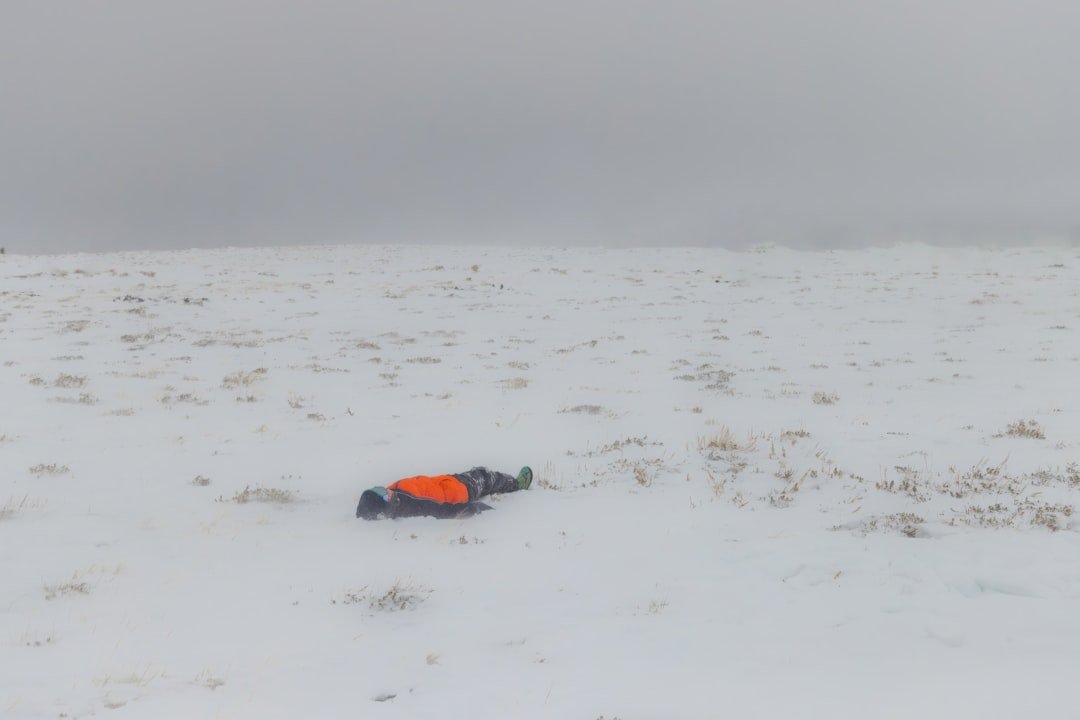
Photo by Greg Sellentin on Unsplash
Wind and Scent Management
For species with keen olfactory senses—particularly polar bears and Arctic foxes—managing your scent trail often matters more than visual or auditory concealment. Wind in the Arctic can be both ally and adversary.
Always approach from downwind when possible. This seems obvious but requires constant monitoring as Arctic winds frequently shift. Carry a small squeeze bottle of unscented talcum powder or similar light material to check wind direction continuously. What feels like no wind to you may be enough to carry your scent to sensitive nostrils.
Minimize scent load before field work. Avoid scented personal care products for several days before Arctic expeditions. Store field clothing separately from living spaces and strong-smelling foods. Some photographers go so far as to air their field clothing outdoors for days before important shoots. While you'll never be scentless, reducing your odor profile extends the distance at which animals detect you.
Account for thermal effects on wind patterns. On calm days, air movement is driven by temperature differentials rather than weather systems. Cool air sinks while warm air rises, creating subtle but significant flows that can carry scent in unexpected directions. In coastal areas, onshore and offshore breezes shift predictably as land and water temperatures change throughout the day.
Essential Gear for Silent Arctic Wildlife Photography
Your equipment choices directly impact your ability to move silently and remain undetected. Every piece of gear should be evaluated not just for its primary function but for its acoustic and visual signature in the field.
Clothing and Footwear
Traditional hard-shell outdoor clothing generates significant noise with every movement. Modern synthetic fabrics swish and crackle, zippers clank, and Velcro tears—all sounds that carry across Arctic stillness. Seek out soft-shell fabrics marketed as 'quiet' or designed for hunting applications. Several manufacturers now produce lines specifically engineered for wildlife photography and stalking.
Footwear requires particular attention. Stiff-soled mountaineering boots offer excellent support but poor ground feel and tend to crunch through crusted snow. Softer soles with flexible construction allow you to feel surfaces before committing weight. Traditional mukluks and similar soft-soled boots used by Arctic Indigenous peoples remain excellent choices—designs refined over millennia for exactly this purpose. Modern pac boots with felt liners and rubber soles offer a compromise, providing insulation and weatherproofing while maintaining reasonable flexibility.
Layering strategy matters for noise as well as temperature. Avoid layers that slide and rustle against each other. Wool and fleece mid-layers tend to be quieter than synthetic alternatives. Pay attention to how your layers interact during movement—raise your arms, turn at the waist, crouch and stand—and address any noise issues before heading into the field.
Camera Equipment Considerations
Your camera system itself generates noise that can alert wildlife. Modern mirrorless cameras offer significant advantages for silent shooting—eliminating the mirror slap that made DSLRs problematic for wildlife work. If you're still shooting with a DSLR, many models offer 'quiet' or 'silent' shutter modes that reduce mechanical noise, though typically with some compromise in shooting speed.
| Feature | Mirrorless Cameras | DSLR Cameras |
|---|---|---|
| Shutter Noise | Near silent with electronic shutter | Mechanical noise; reduced in quiet mode |
| Autofocus Sound | Generally quiet | Can be audible with some lens motors |
| Battery Life | Shorter in cold | Generally better cold performance |
| Weight | Typically lighter | Generally heavier |
| Electronic Viewfinder | Battery dependent | Optical; always functional |
| Overall Field Stealth | Excellent | Good with limitations |
Lens motor noise varies significantly between models. High-end lenses with ultrasonic motors are nearly silent during autofocus; budget lenses with conventional motors can generate audible whirring. Test your specific lens combinations before fieldwork. Manual focus remains the gold standard for silent operation, though it requires greater skill and may reduce keeper rates for action shots.
Supporting equipment deserves equal scrutiny. Tripod legs with padded sections prevent metal-on-rock contact. Lens bags and camera straps should use soft closures rather than clips and buckles. Even small metal components can clang against each other or against rocks and ice at the worst possible moment. Systematically silence your kit by wrapping attachment points with tape or padding and eliminating anything that rattles.
Specialty Silent Tracking Gear
Beyond standard camera and clothing considerations, certain specialty items can enhance your silent tracking capabilities significantly.
-
Essential for continuous wind monitoring; commercial versions or DIY with talc
-
Allow extended low-profile movement and prone shooting in comfort
-
Provides insulation for extended waits on snow; choose quiet, non-rustling material
-
Metal carbide tips are noisy; rubber tips or removable covers necessary near wildlife
-
Helps judge distances for approach planning; choose models with minimal beep options
-
For static positions; allows less restricted movement once established
Common Mistakes to Avoid
Even experienced wildlife photographers make errors that compromise their silent tracking effectiveness. Learning to recognize and avoid these common pitfalls will accelerate your skill development.
Impatience and Rushing Approaches
The single most common mistake is impatience. After traveling thousands of miles and spending significant money to reach Arctic wildlife destinations, the pressure to maximize photographic opportunities can lead to rushing approaches that spook animals unnecessarily. A failed rushed approach not only loses the current opportunity but often pushes the animal into an area where future approaches become impossible.
Solution: Mentally commit to approaches taking three to five times longer than feels necessary. Set your own expectations appropriately—a single excellent photograph of undisturbed behavior is worth far more than a memory card full of alert-phase shots.
Ignoring Animal Communication
Animals provide constant feedback about their comfort level, and failing to read these signals leads to unnecessary disturbance. Before fleeing, most species display escalating alert behaviors—raised heads, ears oriented toward the threat, halted feeding, gathering of social groups. Continuing an approach after these early warning signs dramatically increases stress and typically results in flight.
Solution: Learn species-specific alert behaviors and treat the first sign of awareness as a signal to freeze, not to hurry closer before the animal bolts. Often, remaining motionless for an extended period will allow the animal to resume relaxed behavior, and the approach can continue later.
Over-Reliance on Telephoto Reach
Modern telephoto lenses allow frame-filling images from impressive distances, leading some photographers to neglect tracking skills entirely in favor of equipment solutions. While reach certainly helps, distant shooting rarely produces the lighting control, angle selection, and intimate connection of closer ethical approaches.
Solution: Use telephoto reach as a safety margin and creative option rather than a replacement for tracking skills. The goal is to be close enough that you could get excellent images with less reach than you actually have.
Forgetting About Sound Travel
In the hushed Arctic environment, photographers accustomed to noisier settings consistently underestimate how far sounds carry. Whispered conversations with companions, the click of a lens cap, or a quiet cough seem insignificant but reach wildlife ears with surprising clarity across frozen landscapes.
Solution: Assume that every sound you can hear yourself make is audible to your subject, regardless of apparent distance. Establish hand signals with companions rather than verbal communication. Practice identifying and eliminating every noise source in your kit and routine.
Inadequate Preparation and Scouting
Ariving at a wildlife location and immediately beginning an approach wastes the critical advantage of preparation. Without understanding the terrain, wind patterns, and animal behavior in that specific location, even technically proficient trackers often choose suboptimal approaches.
Solution: Budget significant time—often hours or even days—for observation before attempting close approaches. Use binoculars and spotting scopes to study animal behavior patterns, identify likely feeding areas and travel routes, and map the terrain features that will support your approach.
- Patient approaches yield relaxed, natural behavior
- Extended observation reveals optimal timing and routes
- Slower pace reduces photographer fatigue and error
- Animals that aren't disturbed often remain accessible for future sessions
- Fewer total approach attempts per day
- Weather windows may close during extended approaches
- Requires greater time investment per successful image
- Can feel inefficient compared to 'spray and pray' approaches
Best Practices from Professional Wildlife Photographers
The following recommendations synthesize insights from professional wildlife photographers and field researchers who have collectively spent decades perfecting Arctic silent tracking techniques. Incorporating these practices will elevate your fieldcraft to professional standards.
Practice Off-Season and Off-Target
Don't reserve your tracking practice for critical wildlife encounters. Use every opportunity to refine your skills—stalking deer in local parks, approaching shorebirds on beaches, or even practicing movement techniques in your backyard. The muscle memory and instincts developed through repetition become automatic responses that serve you during high-stakes Arctic encounters.
Work with Local Experts
Indigenous Arctic peoples have refined wildlife tracking over countless generations, developing techniques that modern photographers are only beginning to rediscover. When possible, engage local guides who can share traditional knowledge about animal behavior, optimal timing, and tracking approaches specific to their regions. This cultural exchange benefits both parties and often produces dramatically better photographic results. Organizations like the Inuit Circumpolar Council can help connect visitors with appropriate community resources.
The animals will teach you everything you need to know if you're willing to slow down and pay attention. Every failure is information about how to succeed next time.
Maintain Physical Conditioning
Silent tracking is physically demanding. Extended periods in low crouches, crawling over rough terrain, and hours of slow-motion movement in cold conditions challenge even fit individuals. General cardiovascular fitness, core strength for sustained unusual positions, and specific flexibility for low-profile movement all contribute to tracking success. Professionals treat physical preparation as fundamental equipment.
Document Your Learning
Keep detailed field notes recording not just photographic data but tracking attempts—what worked, what failed, and conditions that affected outcomes. Over time, these records reveal patterns that improve your predictions and approach selections. Note wind conditions, snow states, animal responses at various distances, and any other factors that influenced success or failure.
Embrace Technology Appropriately
Modern tools can enhance traditional tracking skills without replacing them. Wildlife cameras and trail cameras help identify animal movement patterns without human presence. GPS tracking of your own successful approaches creates visual records of effective routes. Thermal imaging can reveal animal positions in low-light conditions. Use these technologies to extend your capabilities while maintaining fundamental fieldcraft skills.
Plan for Failure
Professional wildlife photographers accept that failed approaches are inevitable parts of the process. Rather than viewing unsuccessful stalks as wasted effort, treat them as investments in understanding specific animals, locations, and conditions. The information gathered during a failed approach often enables success on subsequent attempts. This mindset shift reduces frustration and maintains the patience necessary for long-term tracking success.
Join Professional Communities
Organizations like the International League of Conservation Photographers connect practitioners who share knowledge about ethical wildlife photography practices. Online forums, workshops, and field courses provide opportunities to learn from others' experiences and contribute your own insights. The collective knowledge of the wildlife photography community far exceeds what any individual can discover independently.
Ethical Considerations in Arctic Wildlife Photography
Silent tracking skills come with significant ethical responsibilities. The ability to approach wildlife closely creates obligations that extend beyond simply following regulations.
Prioritize Animal Welfare Absolutely
No photograph justifies compromising animal welfare. This principle sounds obvious but requires active application when you've invested heavily in an expedition and encounter rare photographic opportunities. Establish clear personal boundaries before fieldwork—distances you won't violate, behaviors that will cause you to withdraw regardless of photographic potential, and conditions under which you'll simply observe rather than photograph.
Understand Regulatory Frameworks
Different Arctic regions maintain specific regulations governing wildlife approach distances and interaction. The U.S. Fish & Wildlife Service establishes marine mammal protection guidelines in Alaska. Norwegian regulations differ from Canadian requirements. Svalbard maintains particularly strict wildlife approach regulations. Research and comply with all applicable rules, recognizing that legal minimums often don't represent ethical ideals.
Consider Cumulative Impacts
Your individual approach may cause minimal disturbance, but popular wildlife locations experience repeated human approaches throughout the season. Animals habituated to human presence may become vulnerable to genuine threats. Conversely, repeated disturbance may push animals from optimal habitat into less suitable areas. Consider your presence within the broader context of all human activity the animal experiences.
Respect Sensitive Periods
Certain times in the annual cycle require extra caution or complete avoidance. Denning polar bears should never be approached. Nesting birds on Arctic breeding grounds deserve maximum distance buffers. Animals in late winter, when energy reserves are depleted, tolerate disturbance less well than those in peak autumn condition. Calving and pupping seasons for marine mammals warrant special consideration. Adjust your practices according to the biological calendar.
Share Knowledge Responsibly
The locations you discover and the animals you document can be vulnerable to exposure. Geotagging images or sharing specific locations online can direct subsequent traffic to sensitive areas. Consider carefully what location information you share publicly and with whom. Some of the most successful wildlife locations remain productive precisely because experienced photographers protect them through discretion.
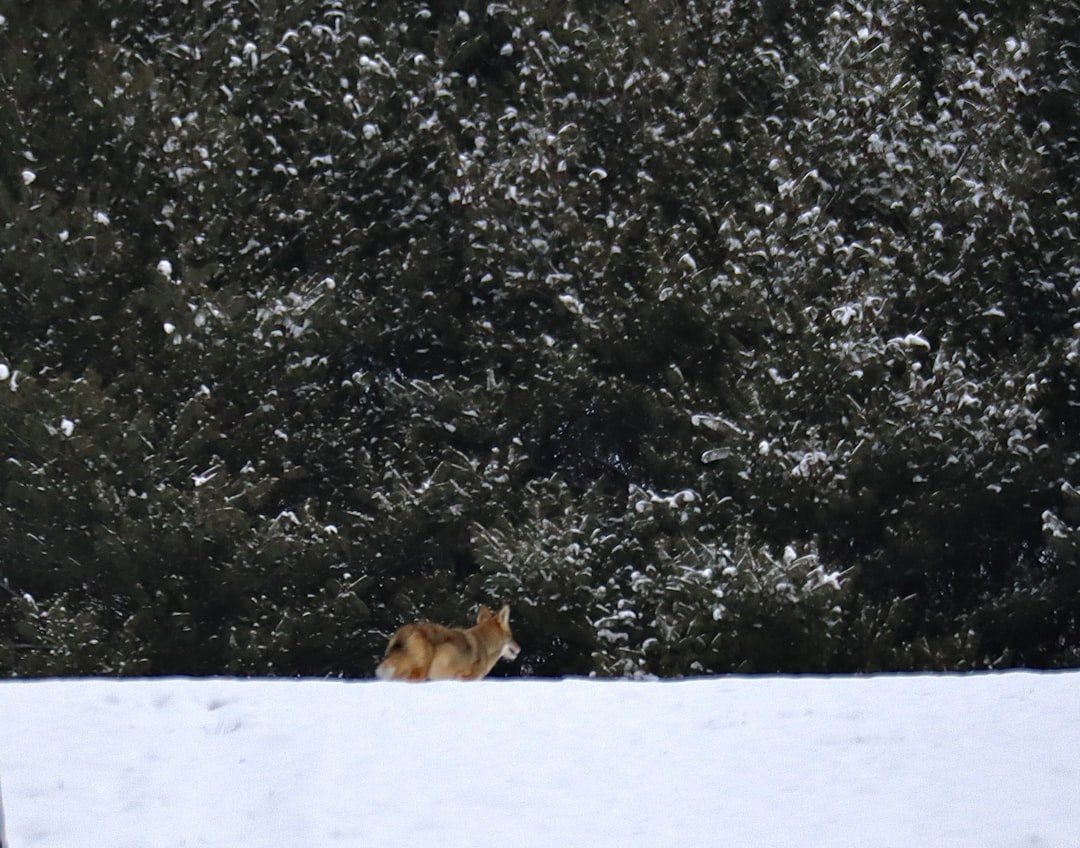
Photo by Rebecca Johnsen on Unsplash
Frequently Asked Questions
Conclusion
Mastering silent tracking skills for Arctic wildlife photography represents a significant investment of time, practice, and dedication—but the rewards justify that investment many times over. Beyond the obvious photographic benefits of capturing undisturbed animal behavior, you'll develop a deeper connection to Arctic ecosystems and a more profound appreciation for the remarkable creatures that survive and thrive in Earth's most challenging environments.
The techniques outlined in this guide—from foundational movement skills to advanced scent management, from reading snow conditions to understanding species-specific behaviors—form an integrated system that improves with practice. Start with fundamental movement techniques and build progressively toward more sophisticated approaches. Accept that failed attempts are learning opportunities rather than failures. Maintain absolute commitment to animal welfare even when it costs photographic opportunities.
Remember that the goal extends beyond individual photographs to contributing positively to Arctic conservation. Wildlife that remains undisturbed by photographers maintains natural behaviors that support survival and reproduction. Ethical photography practices model responsible human-wildlife interaction for others. The images you create can inspire conservation action and support for Arctic ecosystem protection.
Whether you're planning your first Arctic wildlife expedition or seeking to refine skills developed over many seasons, the principles of silent tracking remain constant: patience over haste, observation before action, and respect for the animals that grant you access to their lives. Apply these principles consistently, and you'll join the community of wildlife photographers who prove that stunning images and ethical practices are not just compatible but inseparable.
Continue Your Arctic Wildlife Journey
Ready to plan your Arctic photography expedition? Explore our in-depth guides to the best Arctic wildlife destinations, seasonal timing recommendations, and essential gear reviews for cold-weather photography.
Explore Arctic Destinations
Comments
No comments yet. Be the first to comment!
Leave a Comment